
The Siege of Orgrimmar stands as a pivotal moment in World of Warcraft’s lore, marking a significant escalation in the internal conflicts of the Horde. This narrative arc not only showcased the complexities of factional strife but also highlighted character development and moral ambiguity. Understanding this event is crucial for players who wish to grasp the intricacies of Horde dynamics and the overarching themes of loyalty, betrayal, and redemption within the game.
What were the key events leading up to the Siege of Orgrimmar?
The key events leading to the Siege of Orgrimmar include Garrosh Hellscream’s rise to power, his increasingly tyrannical rule, and the growing dissent among the Horde factions.
Garrosh Hellscream’s ascension as Warchief marked a turning point for the Horde, as his aggressive policies and militaristic approach alienated many allies. His use of the Sha, a manifestation of negative emotions, to empower the Horde further exacerbated tensions. The turning point came with the events of the Mists of Pandaria expansion, where Garrosh’s actions led to the destruction of Theramore and the subsequent war against the Alliance. This brutality sparked outrage among various factions within the Horde, including the Darkspear Trolls and the Blood Elves, who began to question Garrosh’s leadership. The internal strife culminated in the formation of the ‘Doomhammer’ faction, which sought to overthrow Garrosh and restore honor to the Horde.
- Understand Garrosh’s motivations and how they fueled conflict.
- Explore the role of key characters like Vol’jin and Baine Bloodhoof in opposing Garrosh.
- Analyze the impact of the Alliance-Horde war on internal relations.
- Recognize the significance of the Darkspear Rebellion as a catalyst for change.
How did the Siege of Orgrimmar reflect the themes of betrayal and loyalty?
The Siege of Orgrimmar encapsulated themes of betrayal and loyalty through the actions of key characters and the choices made by the factions involved.
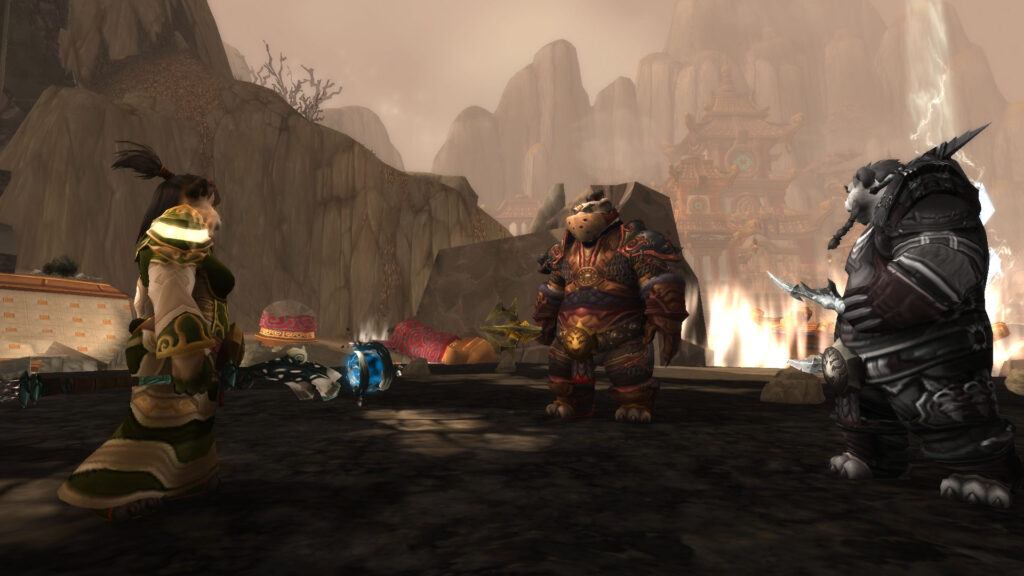
Throughout the siege, players witness the stark contrast between loyalty to the Warchief and the moral obligations to the Horde’s ideals. Characters like Vol’jin and Baine Bloodhoof exemplified the struggle between personal loyalty to Garrosh and their duty to the Horde. The betrayal of Garrosh by former allies, including the Darkspear Trolls, highlighted the fracture within the Horde. This internal conflict was not just a physical battle but a philosophical one, as players grappled with the question of what it truly means to be part of the Horde. The narrative intricacies were further deepened by the introduction of the ‘Hellscream’s War Song’ and the ‘Doomhammer’ faction, which represented the divergent paths of loyalty and betrayal.
Moreover, the mechanics of the raid itself served as a metaphor for this conflict. Players had to navigate through various encounters that symbolized the internal struggles of the Horde, from battling corrupted allies to facing Garrosh himself. The final confrontation with Garrosh was not merely a fight for victory but a culmination of the moral dilemmas faced by the characters involved. The emotional weight of the narrative was palpable, as players were forced to confront their own loyalties and the consequences of betrayal.
What were the gameplay mechanics that enhanced the narrative experience during the Siege of Orgrimmar?
The gameplay mechanics during the Siege of Orgrimmar significantly enhanced the narrative experience through immersive raid encounters and environmental storytelling.
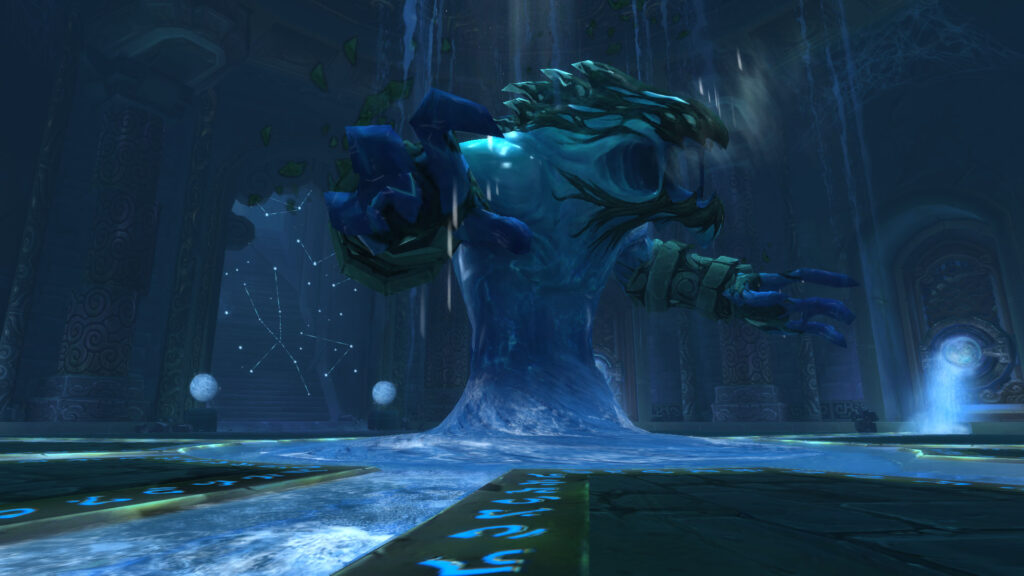
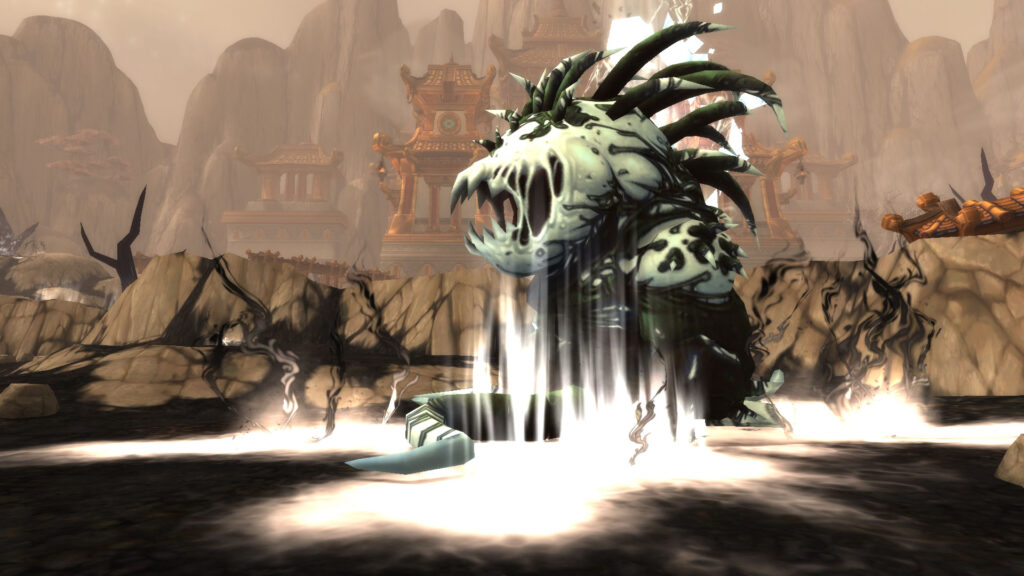
Each encounter in the Siege of Orgrimmar raid was designed to reflect the escalating tensions within the Horde. For instance, the encounter with Jin’rokh the Breaker showcased the chaotic environment of the siege, while the battle against the Council of Elders illustrated the internal strife among the factions. The use of mechanics such as ‘Corrupted Blood’ and ‘Empowered Sha’ added layers of complexity to the encounters, forcing players to adapt their strategies in real-time. This dynamic gameplay not only challenged players but also mirrored the unpredictability of the Horde’s civil war.
Furthermore, the raid’s design included environmental storytelling elements that enriched the narrative. Players could witness the devastation wrought upon Orgrimmar, with each area reflecting the consequences of Garrosh’s rule. The use of cutscenes and voice acting during key moments added emotional depth, allowing players to connect with the characters on a personal level. This integration of gameplay and narrative created a cohesive experience that resonated with players, making the Siege of Orgrimmar a landmark event in World of Warcraft’s history.
What were the major factions involved in the Siege of Orgrimmar?
The major factions involved in the Siege of Orgrimmar included the loyalists to Garrosh, the Darkspear Trolls, and the Alliance.
This table summarizes the key factions, their motivations, and their roles during the siege, providing a clearer understanding of the complex relationships at play.
| Faction | Motivation | Role in the Siege | Key Characters |
|---|---|---|---|
| Garrosh Loyalists | Support Garrosh’s vision of a powerful Horde | Defend Orgrimmar against the rebels | Garrosh Hellscream, Nazgrim |
| Darkspear Trolls | Oppose Garrosh’s tyranny | Lead the rebellion against Garrosh | Vol’jin, Jin’rokh |
| Alliance | Take advantage of the Horde’s internal strife | Support the rebels indirectly | Varian Wrynn, Jaina Proudmoore |
How did the Siege of Orgrimmar impact the future of the Horde?
The Siege of Orgrimmar had profound implications for the future of the Horde, reshaping its leadership and redefining its core values.
Following the siege, the downfall of Garrosh Hellscream led to a power vacuum that prompted significant changes within the Horde. The leadership transition to Vol’jin marked a shift towards a more inclusive and diplomatic approach, contrasting sharply with Garrosh’s militaristic policies. This change was not merely cosmetic; it represented a fundamental re-evaluation of what it meant to be part of the Horde. The internal conflict forced factions to confront their differences and work towards a common goal, fostering a sense of unity that had been lacking under Garrosh’s rule.
Moreover, the repercussions of the siege extended beyond immediate leadership changes. The narrative set the stage for future conflicts, including the tensions between the Horde and the Alliance in subsequent expansions. The themes of betrayal and loyalty continued to resonate, influencing character arcs and faction dynamics. Players witnessed the evolution of the Horde as it grappled with its identity, ultimately leading to a more nuanced portrayal of factional relationships in the game.
What lessons can players learn from the Siege of Orgrimmar’s narrative?
The Siege of Orgrimmar offers valuable lessons about leadership, loyalty, and the consequences of unchecked power.
Players can draw parallels between the narrative and real-world leadership dynamics, understanding the importance of accountability and the dangers of authoritarianism. The story emphasizes the need for leaders to listen to their constituents and consider the broader implications of their actions. Additionally, the complex character relationships illustrate the significance of loyalty, not just to a leader but to the ideals that a faction represents. This narrative encourages players to think critically about their choices and the potential consequences of their actions within the game.
Frequently Asked Questions
What was the significance of Garrosh Hellscream’s leadership?
Garrosh Hellscream’s leadership was significant as it represented a shift towards a more aggressive and militaristic Horde. His actions, including the use of the Sha, alienated many allies and sparked internal conflict, ultimately leading to his downfall during the Siege of Orgrimmar.
How did the Siege of Orgrimmar affect player engagement?
The Siege of Orgrimmar enhanced player engagement through its immersive storytelling, complex characters, and challenging gameplay mechanics. Players felt a deeper connection to the narrative, which encouraged them to explore the lore and participate in the raid.
What were the main themes explored in the Siege of Orgrimmar?
The main themes explored included betrayal, loyalty, the consequences of power, and the moral complexities of leadership. These themes resonated with players, prompting them to reflect on their own choices within the game.
How did the events of the Siege of Orgrimmar shape future expansions?
The events of the Siege of Orgrimmar shaped future expansions by setting the stage for ongoing conflicts between the Horde and Alliance. The leadership changes and evolving faction dynamics influenced the narrative direction of subsequent content, creating a more nuanced portrayal of faction relationships.